
THE TENTH DAY
HOSPITAL ADVENTURES:
DAY TEN★
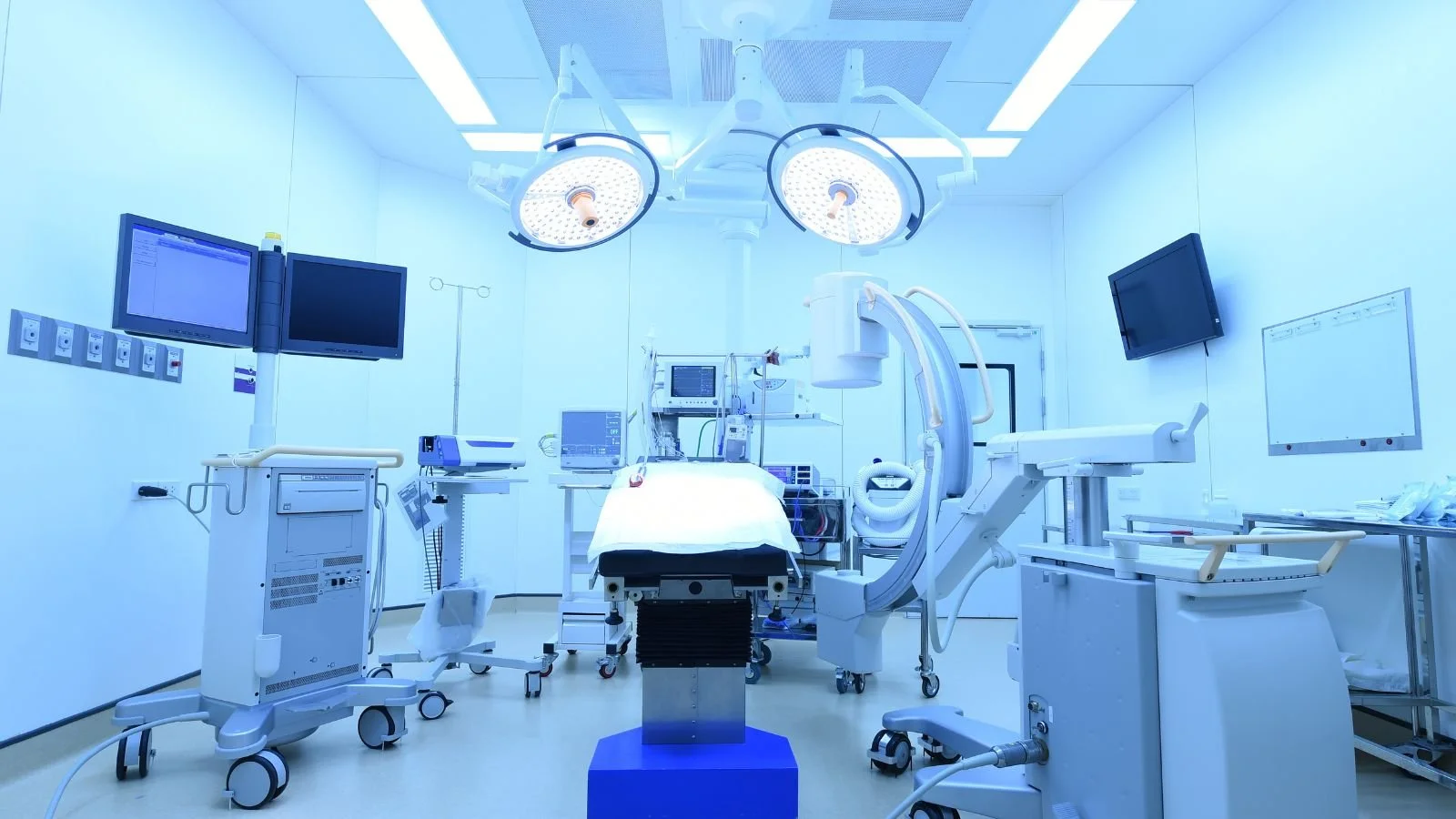
The OT
Aishwarya Babu’s Medical Log: Day 10 - Operating Theater
Today is Friday, July 5, 2024. It is my tenth day at Revathi Medical Center in Tamil Nadu, India.
Today, they were cleaning the operating theater, so I wasn’t able to witness any ongoing procedures. However, I was able to learn how they kept the OT clean.
The CSSD Department is where they clean all their equipment, including gowns, etc. They package the materials in doubles and put them in a heat machine, which cleans the materials of bacteria and germs.
The machine has a jacket pressure of 121 psi, and it is also heated to about 121 degrees Fahrenheit. Each package group has an expiration date before they need to be repackaged and reheated, or in other words, cleaned again. The equipment packages usually last about 3 months before needing to be cleaned again.
The first thing seen upon entering the OT is the isolation room for patients.
Today, since it’s cleaning day, all cases have been moved to wards or the ICU for better care and to prevent the spread of anything through the OT.
That said, tomorrow is a new day.
It is Saturday, July 6, 2024. My eleventh day at Revathi Medical Center in Tamil Nadu, India.
At the cardiology department, there are three main tests: the ECG, the Echocardiogram, and TMT. The cardiology department also does blood tests.
Today, in the ER, we have a case requiring an Echocardiogram, or in other words, an Echo Scan.
The patient’s Echo Scan is done by running a probe over his heart. The waves in the chart that show the beating of the heart via electrical impulses can be subject to various changes, so the echo scan is used to detect any abnormalities in pulse, etc.
The machine can also be used for ultrasounds.
The echo scan machine will display an image of a throbbing blob, which is the beating heart.
The ER patient’s chief complaint was pain in his left shoulder.
If the patient is still abnormal post-echocardiogram, they will undergo an ECG. The ECG machine is used by connecting various cables to a patient. The cables read the heart rate, as well as chart it.
The TMT is for people who complain of heart pain while working.
The cardiology OP is part of the patient’s department, where they allow patients to see specialized cardiology doctors.
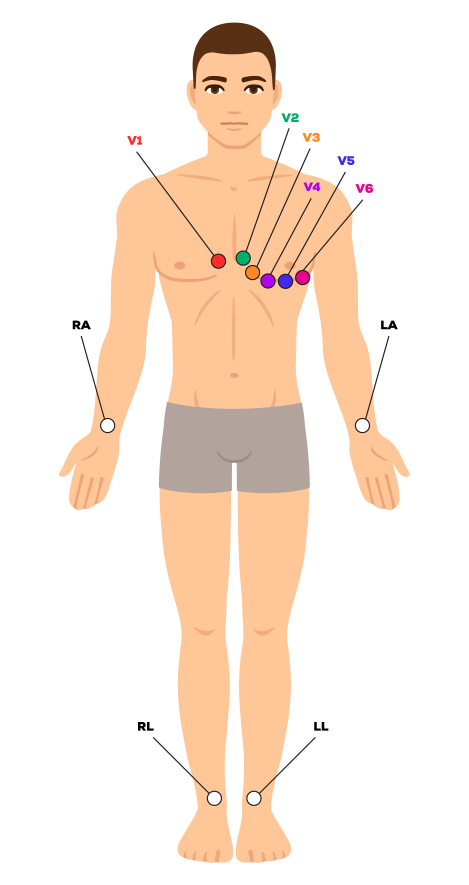
12-lead ECG/EKG placement guide
(CardiacDirect)